ABB Communication Card SPIIT13 Applications and Industrial Value
Introduction
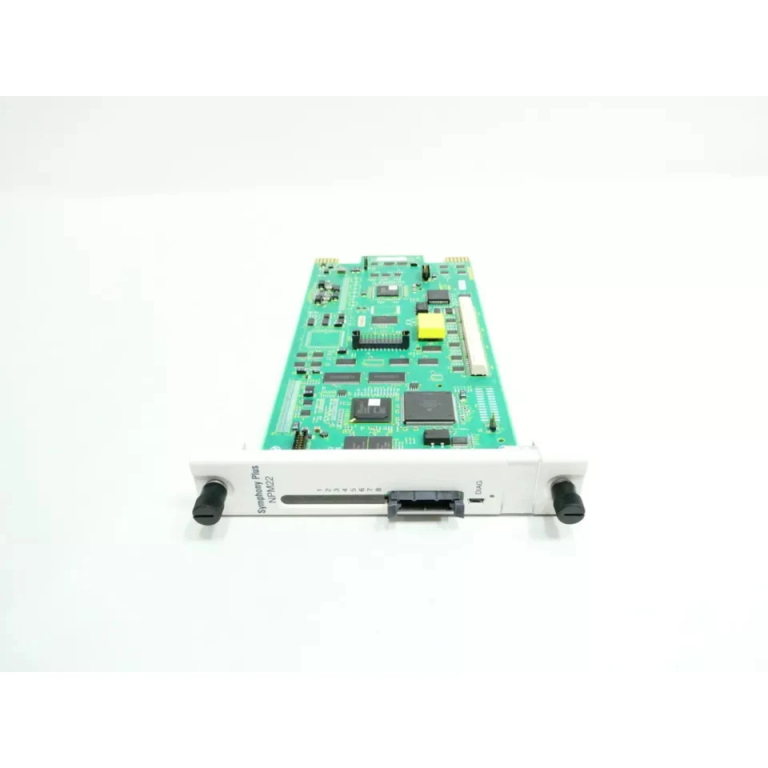
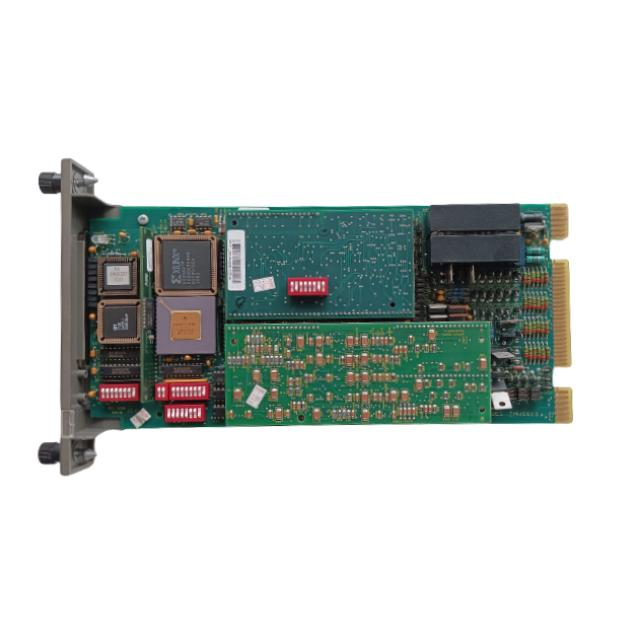
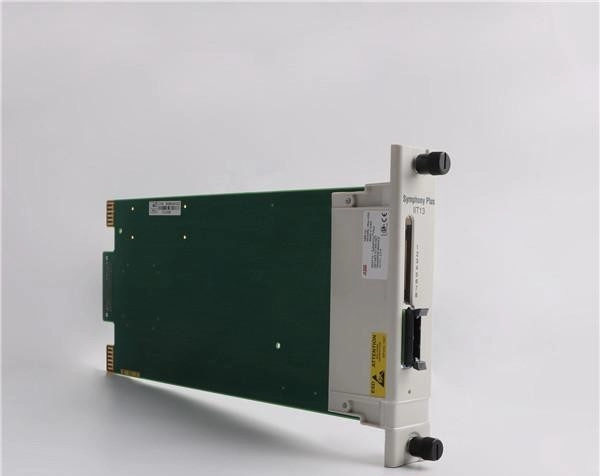
The ABB SPIIT13 communication card strengthens modern automation systems, because it improves data exchange, increases controller stability, and supports flexible integration across complex industrial networks. Moreover, industries rely on this module since it offers precise performance and consistent reliability. Therefore, this article explores the application scenarios, functional advantages, and practical engineering value of the SPIIT13, and it also explains how this module improves long-term system efficiency.
Role of the SPIIT13 in Modern Automation
The ABB SPIIT13 communication card plays an essential role in connecting controllers, field devices, supervisory platforms, and safety systems. Although many controllers offer built-in ports, automation grows increasingly complex, and therefore factories require additional dedicated communication modules such as the SPIIT13.
The module ensures stable, low-latency data transmission, and it also supports seamless integration within ABB Bailey and related DCS environments. Because the SPIIT13 handles communication tasks efficiently, engineers gain more flexibility while designing scalable plant architectures.
Key Features That Support Industrial Applications
Although automation technology continues to evolve, the SPIIT13 remains valuable because of its feature set. Each capability targets stability, speed, and reliability.
High-Speed and Low-Error Data Transmission
The module maintains precise data flow between controllers and field networks. Furthermore, the SPIIT13 constantly checks data integrity, so industrial processes stay synchronized even when networks grow larger.
Strong Integration Flexibility
Since many facilities operate mixed hardware, the SPIIT13 helps unify communication across them. Moreover, project teams gain smoother commissioning processes because the card aligns easily with ABB’s existing system environment.
Enhanced Reliability for Harsh Environments
Industrial plants expose equipment to temperature fluctuations, vibration, dust, and electrical noise. Because the SPIIT13 offers hardened design and stable operation, plants rely on it for around-the-clock production tasks.
Application Scenarios Across Industries
The ABB SPIIT13 communication card supports diverse sectors. Even though each industry operates differently, they all require dependable communication.
Power Generation
Power plants depend on real-time monitoring and fast controller response. Therefore, the SPIIT13 helps connect turbine control, boiler supervision, emission systems, and auxiliary subsystems into one coordinated network.
Petrochemical and Refining
These facilities rely on accurate data flow due to process safety demands. Consequently, the SPIIT13 supports communication between safety shutdown systems, flow controllers, pressure measurement devices, and refinery optimization systems.
Water Treatment and Environmental Control
Water plants require continuous reporting of flow, pressure, level, chemical dosing, and energy usage. Since the SPIIT13 maintains stable data transmission, operators improve reporting accuracy and regulatory compliance.
Metallurgy, Paper Mills, and Manufacturing
High-speed industrial production lines involve motors, drives, conveyor systems, and robotic platforms. Because the SPIIT13 supports fast communication, plants enhance consistency and improve production quality.
How the SPIIT13 Improves System Efficiency
Because automation plants aim for long-term stability, the SPIIT13 contributes to total system performance in multiple ways.
Increased System Responsiveness
The card reduces delays in communication loops, and consequently engineers gain more precise control over dynamic processes.
Lower Integration Costs
When teams expand existing ABB Bailey systems, the SPIIT13 shortens configuration time and reduces wiring workload. As a result, maintenance teams eliminate unnecessary downtime.
More Reliable Plant Operation
Even small communication errors cause operational issues. Therefore, the SPIIT13 safeguards communication integrity and enhances uptime across all connected devices.
Engineering Benefits for System Integrators
System integrators appreciate this module because it offers predictable performance and consistent configuration behavior.
Furthermore, the SPIIT13 supports scalable architecture growth. Engineers can expand networks, add nodes, upgrade controllers, and migrate systems while still maintaining stable communication performance. Although migration projects often increase complexity, the SPIIT13 simplifies transitions.
Long-Term Value for Industrial Enterprises
Modern industries increasingly prioritize intelligence, digitalization, and connectivity. Hence, stable communication components deliver long-term economic value. The SPIIT13 helps enterprises extend the operational lifespan of their ABB Bailey systems, ensure compatibility with gradual upgrades, and maintain stable plant operation.
Because downtime costs thousands of dollars per minute in many facilities, reliable communication modules such as the SPIIT13 become essential investments rather than optional accessories.
Conclusion
The ABB SPIIT13 communication card supports industrial users that need efficient data exchange, strong compatibility, and long-term operational reliability. Although automation systems grow more complex each year, the SPIIT13 remains an effective module that enhances process efficiency, reduces risk, and strengthens enterprise-level communication infrastructure.