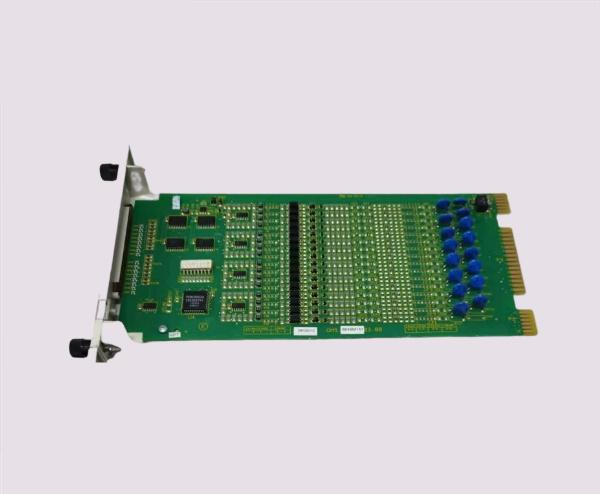
ABB SPDSI13 Module: Technology Upgrades and Trend Analysis
The ABB SPDSI13 module plays a vital role in industrial automation systems, providing efficient I/O control and seamless integration with ABB PLCs. As the automation industry advances, SPDSI13 evolves to meet modern operational demands, offering improved performance, reliability, and flexibility. Understanding the technological upgrades and emerging trends is crucial for engineers, system integrators, and maintenance teams aiming to maximize efficiency, reduce downtime, and maintain stable operations.
Overview of SPDSI13 Module
The SPDSI13 module is designed for versatile I/O management, handling both digital and analog signals with high precision. Its compact and modular construction ensures easy installation, replacement, and maintenance. Key features include:
-
Rapid signal processing for industrial networks
-
Reliable communication with ABB PLCs
-
Robust design for harsh industrial environments
-
Flexible configuration for diverse automation tasks
Grasping these core features provides a solid foundation to evaluate the module’s technological enhancements and trends.
Recent Technology Upgrades
ABB continuously improves the SPDSI13 module, incorporating advanced features:
-
Enhanced Processing Speed: Reduces response times for critical operations
-
Improved Reliability: Advanced thermal management and durable components minimize failures
-
Expanded Compatibility: Supports additional PLC models and communication protocols
-
Simplified Maintenance: Tool-less modular design allows faster servicing and upgrades
These improvements ensure SPDSI13 remains competitive in modern industrial automation environments.
Industry Trends Impacting SPDSI13
Several trends influence the development and adoption of modules like SPDSI13:
-
Smart Manufacturing: Integration with IoT and data analytics requires faster, more reliable modules
-
Energy Efficiency: Modules with lower power consumption align with green manufacturing initiatives
-
Predictive Maintenance: Embedded diagnostics enable proactive issue detection
-
Enhanced Connectivity: Broader network protocol support facilitates seamless system integration
Understanding these trends helps engineers select and implement modules that support next-generation automation systems.
Implementation Strategies
Maximizing the benefits of SPDSI13 upgrades requires careful planning:
-
System Compatibility: Ensure integration with existing PLCs and control networks
-
Environmental Considerations: Monitor temperature, humidity, and airflow to maintain optimal performance
-
Firmware Updates: Regular updates unlock new features and enhance reliability
-
Training and Knowledge Sharing: Equip technicians with the skills to leverage new functionalities effectively
Effective implementation enhances operational efficiency and prevents unnecessary downtime.
Future Directions
The SPDSI13 module and similar I/O modules are expected to evolve along several lines:
-
Increased Processing Capacity: Improved speed and efficiency for data-intensive applications
-
Modular Upgrades: Easier replacements and expansions without interrupting operations
-
Integrated Diagnostics: Advanced monitoring and predictive analytics
-
Sustainability Focus: Reduced energy consumption and environmentally conscious designs
These developments ensure that SPDSI13 continues to meet the evolving needs of industrial automation.
Conclusion
The ABB SPDSI13 module exemplifies technological advancement in industrial automation. With enhanced speed, reliability, maintainability, and connectivity, it meets modern industrial demands. By understanding upgrades and trends, engineers and integrators can optimize performance, minimize downtime, and ensure long-term system efficiency.