Introduction
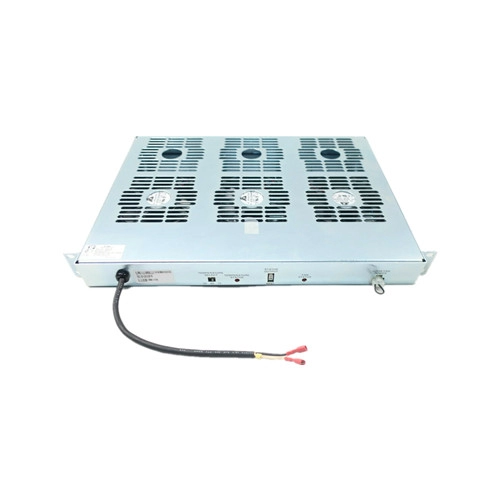
When purchasing industrial cooling components such as the ABB PHARPSFAN03000, understanding price trends and key influencing factors becomes essential for budget planning and procurement success. The PHARPSFAN03000 stands out due to its specialized design for ABB automation systems, yet prices for this fan have fluctuated across different market channels. By examining recent price points, market conditions, supply chain pressures, and demand dynamics, buyers can predict cost behavior in 2026 and make smarter procurement choices that balance quality and budget.
Current Price Landscape
The current market displays varied pricing for the ABB PHARPSFAN03000. Authorized industrial parts distributors list this fan at around USD 3,340 to USD 3,929 retail for new units, although discounts and dealer offers do occur.Teknihaus+1 At the same time, secondary markets such as surplus equipment platforms and auction sites show a wide range of prices, with some listings below USD 1,000 for open‑box or surplus units.eBay Such disparities indicate that market context—including inventory age, condition, and supply channel—influences the price significantly.
Moreover, supply channels with used or surplus PHARPSFAN03000 units have listed prices as low as approximately USD 385 on auction platforms, in contrast to typical dealer pricing.eBay These variations reflect not only product condition but also distributor strategy and timing, suggesting that buyers can benefit from flexible sourcing models.
Industrial Fan Market Growth and Its Impact
More broadly, the industrial fan market shows strong growth prospects, which indirectly influences component pricing. Industry reports project that the global industrial fan sector may achieve steady expansion through the mid‑2020s due to heightened demand for effective cooling solutions across manufacturing and HVAC applications.GII Specifically, the market forecast through 2028 indicates a compound annual growth rate of nearly 4‑5%, propelled by rising industrialization and energy‑efficient cooling needs.GII Such steady demand growth supports pricing resilience, and in certain cases, enables moderate increases as suppliers adjust for production costs and inflation.
Supply Chain Pressures and Material Costs
Several external factors contribute to price trends for industrial fans like the PHARPSFAN03000. For example, raw material costs, including metals and specialized motor components, keep buyers attentive to shifts in commodities markets. When input prices climb, manufacturers face pressure to adjust end‑product pricing to maintain margins. Moreover, although exact ABB supply data isn’t publicly available, general trends in industrial equipment indicate that volatility in steel, copper, and electronic parts costs often influences final component pricing.
Additionally, fluctuating logistics and freight costs play a role. If global shipping rates rise due to fuel price variation or port congestion, distributors and manufacturers tend to adjust pricing accordingly. Long lead times or limited inventory also push prices higher, especially when demand peaks or forecasting fails to align with market requirements.
Demand Factors and Industrial Adoption
Another core driver of price trends is demand intensity across industrial sectors. As manufacturing and automation continue to expand globally, companies deploy more PLCs, HMIs, and control systems, all of which rely on effective cooling components like the PHARPSFAN03000. Growing investments in automation and predictive maintenance tend to correlate with steady or increased prices for reliable parts that support uptime and performance.
In addition, specific industry conditions—such as regulatory compliance, energy efficiency standards, and environmental concerns—elevate demand for higher‑performance cooling solutions. Buyers may prioritize fans that offer lower noise, better heat dissipation, or higher durability, which in turn supports premium pricing for products that satisfy these criteria.
Technological Advancements and Competitive Pressure
Technological improvements also shape pricing. Fans with smart or adaptive features, such as variable speed control or condition monitoring, command higher prices compared to basic models. Although the PHARPSFAN03000 lacks advanced digital features like IoT connectivity, its build quality and ABB brand reputation place it in a mid‑to‑high tier pricing segment relative to commodity cooling fans.
At the same time, competition from generic or lower‑cost industrial fans modulates price growth. Suppliers of standard axial or HVAC fans often offer lower price points, which exerts downward pressure on premium part pricing. Nevertheless, products like the PHARPSFAN03000 maintain differentiated value due to compatibility with ABB systems and higher reliability.
Economic and Geopolitical Considerations
Broader economic conditions also contribute to price dynamics. Inflationary pressures, currency fluctuations, and geopolitical disruptions influence procurement costs. For instance, changes in trade tariffs or import regulations can raise the cost of imported components. At the same time, downturns in industrial activity may temporarily reduce demand and clamp down prices. Conversely, rapid growth in key sectors like renewable energy or digital infrastructure could spur demand and elevate pricing pressure.
Industrial buyers often hedge against such volatility by planning procurement ahead and maintaining strategic inventory levels. By forecasting demand and locking in suppliers early, companies reduce exposure to sudden price spikes.
Forecasting Price Trends for 2026
Given current market dynamics and industrial growth patterns, price trends for the ABB PHARPSFAN03000 through 2026 likely follow a gradual upward trajectory with intermittent discount opportunities. Factors such as steady industrial demand, moderate global fan market expansion, and stable material costs suggest some upward price movement, but not dramatic spikes. However, flexibility in supply sourcing—such as purchasing surplus units or participating in bulk deals—can yield cost advantages even amid market tightening.
Buyers should anticipate moderate price increases in line with general industrial component inflation, while discount programs and distributor promotions can counterbalance these increases. Importantly, understanding how specification demands and compatibility requirements affect pricing empowers buyers to choose cost‑effective alternatives when appropriate.
Strategic Procurement Advice
To navigate pricing trends, industrial buyers should assess multiple sources, compare new and surplus stock, and evaluate total cost of ownership rather than focusing solely on upfront cost. Furthermore, analyzing seasonality—such as peak demand periods or supply constraints—enables procurement teams to negotiate better pricing or schedule purchases when prices are more favorable.
Moreover, aligning purchases with broader maintenance strategies or automation upgrades can help companies secure volume discounts and extended support. Partnering with reputable distributors and leveraging supplier relationships also enhances procurement outcomes.
Conclusion
In summary, ABB PHARPSFAN03000 pricing reflects a confluence of technical value, market demand, supply chain realities, and competitive forces. While average pricing from authorized sources often exceeds USD 3,000, secondary markets reveal opportunities for lower cost procurement. Looking ahead to 2026, buyers should prepare for measured price growth consistent with industrial sector expansion, yet remain vigilant for tactical purchasing opportunities.
Understanding how material costs, demand shifts, economic conditions, and technological competition influence prices equips industrial buyers to make intelligent decisions. By balancing performance requirements, procurement timing, and total cost considerations, companies ensure they secure reliable cooling solutions at optimal value.