Introduction
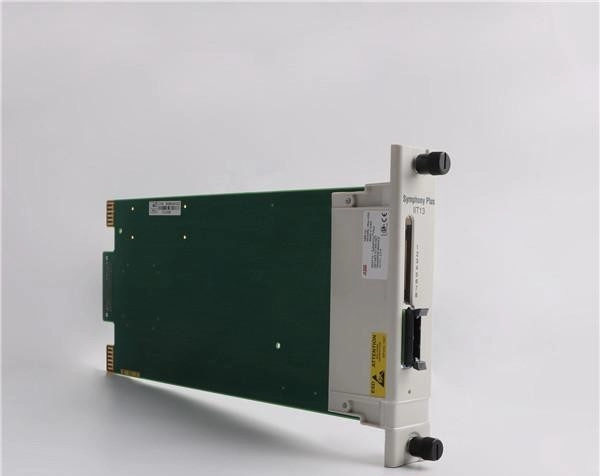
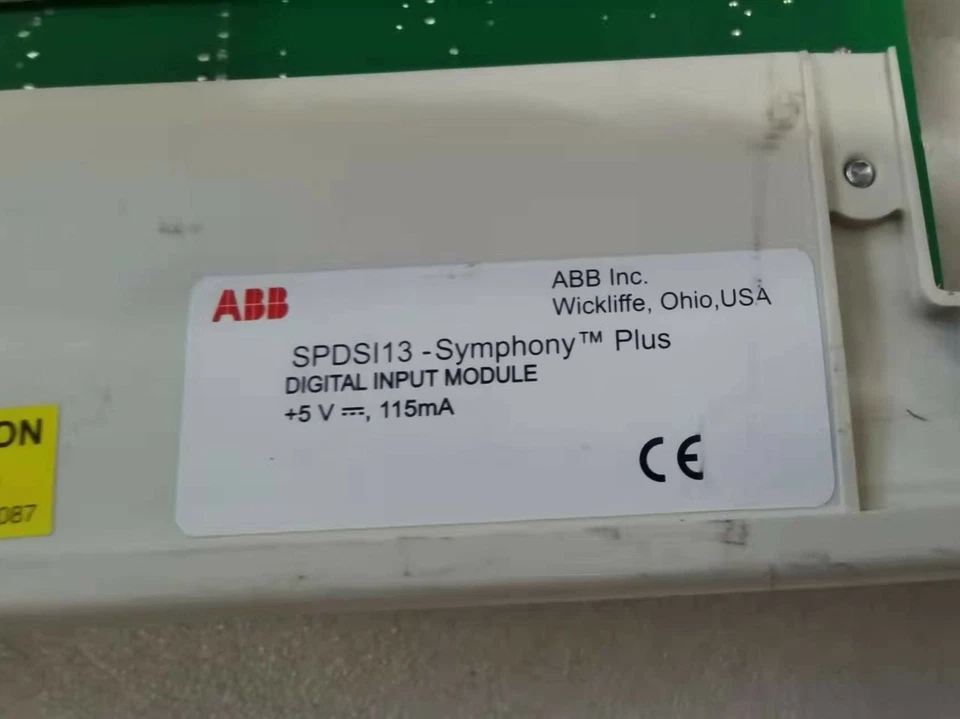
The ABB SPDSI13 module serves as a key component in industrial automation systems, offering reliable signal acquisition, high-speed logic processing, and seamless communication with PLC and DCS systems. Industrial operators often face a choice between using original ABB modules or cost-effective alternatives. Understanding the differences is essential to maintain system performance, reliability, and safety.
Wuhan Yuli Automation Technology Co., Ltd. (website: www.wuhanyuli.com) supplies original ABB SPDSI13 modules and provides professional guidance to help industrial users make informed decisions.
This article examines the differences between original ABB SPDSI13 modules and third-party alternatives, considering performance, reliability, maintenance, and long-term operational impact.
Original ABB SPDSI13 Module Features
Original ABB modules offer the following advantages:
-
Reliable Performance: Tested extensively under industrial conditions to ensure consistent operation.
-
Full Compatibility: Guaranteed to integrate seamlessly with ABB PLCs and DCS systems.
-
High Signal Accuracy: Multi-channel digital and analog acquisition ensures precise data processing.
-
Integrated Diagnostics: Built-in monitoring and fault detection reduce downtime.
-
Long-Term Support: Firmware updates, technical support, and replacement services from ABB.
Operators benefit from predictable performance, easier troubleshooting, and reduced risk of unexpected failures.
Characteristics of Alternative Modules
Third-party or cloned modules may offer lower upfront costs but often lack key attributes:
-
Variable Performance: May not handle extreme temperature, voltage fluctuations, or high-speed signal processing as effectively.
-
Partial Compatibility: Integration with ABB PLCs may require additional configuration or adjustments.
-
Limited Diagnostics: Fault detection and monitoring functions may be incomplete or missing.
-
Shorter Lifespan: Components may degrade faster under industrial conditions.
-
Uncertain Support: Limited or no access to firmware updates or technical guidance.
Although alternatives appear cost-effective initially, they often result in higher maintenance costs and operational risks.
Performance Comparison
Signal Accuracy
Original ABB SPDSI13 modules deliver precise readings across all channels. In contrast, alternatives may show deviation under high-speed or high-load operations. Consistent signal accuracy ensures reliable control and process safety, which is critical in industrial automation.
Reliability and Stability
ABB SPDSI13 modules undergo rigorous quality testing, maintaining performance under voltage fluctuations, electromagnetic interference, and high temperatures. Alternatives may experience intermittent errors, signal loss, or failure during peak operations.
Integration and Compatibility
Original ABB modules integrate seamlessly with ABB PLCs, simplifying setup and reducing programming time. Third-party modules may require extra configuration, increasing commissioning time and potential for errors.
Cost and Maintenance Considerations
While alternative modules may have lower initial purchase costs, long-term expenses often outweigh savings:
-
Frequent replacements due to shorter lifespan
-
Increased maintenance due to communication or signal errors
-
Downtime losses caused by system instability
Original ABB modules, although higher in initial cost, provide predictable reliability, lower maintenance needs, and support from professional suppliers like Wuhan Yuli Automation Technology Co., Ltd. (www.wuhanyuli.com).
Safety and Regulatory Compliance
Industrial automation often requires compliance with safety and operational standards. Original ABB SPDSI13 modules meet international standards for industrial automation, including functional safety, electromagnetic compatibility, and environmental regulations. Alternatives may not meet these requirements, introducing compliance risks.
Best Practices for Choosing Modules
-
Assess Critical Applications: For high-stakes processes, original ABB modules ensure reliability and safety.
-
Evaluate Long-Term Costs: Factor in maintenance, downtime, and replacement frequency.
-
Check Support Availability: Consider availability of firmware updates, technical guidance, and spare parts.
-
Validate Compatibility: Ensure the module works seamlessly with existing ABB systems and software.
-
Procure from Trusted Suppliers: Use certified distributors like Wuhan Yuli Automation Technology Co., Ltd. to ensure authenticity.
Conclusion
Selecting the right ABB SPDSI13 module impacts industrial automation performance, safety, and long-term operational costs. Original ABB modules provide unmatched reliability, full compatibility, and extensive support, whereas alternatives may compromise signal accuracy, stability, and compliance. By prioritizing quality and working with trusted suppliers like Wuhan Yuli Automation Technology Co., Ltd. (www.wuhanyuli.com), industrial operators can ensure optimal system performance and safety.